









The ongoing geopolitical tensions in the Middle East have introduced a new layer of uncertainty for Switzerland’s watch industry, a sector known for its resilience despite repeated global disruptions.
At Watches and Wonders Geneva, the industry’s premier annual showcase, discussions have shifted beyond product launches to concerns about the potential fallout of the conflict. Executives and brand leaders acknowledge that while the sector has weathered multiple crises in the past, the unpredictability of the current situation presents a unique challenge.
Elie Bernheim of Raymond Weil pointed out that the industry has previously navigated events such as the 2008 financial crisis, the rise of smartwatches, the COVID-19 pandemic, and recent US trade tariffs. Despite these disruptions, Swiss watchmaking has continued to expand over the long term, with exports more than doubling over the past two decades. However, he noted that the current conflict stands out due to its volatility, making it difficult for companies to plan ahead.
Industry players are particularly concerned about the broader impact on consumer sentiment. Bertrand Meylan of H. Moser & Cie warned that prolonged instability could dampen global spending, as luxury purchases are often postponed during periods of uncertainty. Brands that rely heavily on tourism are already feeling the pressure, especially in key hubs like the UAE.
The Middle East remains a significant market, accounting for roughly 10% of Swiss watch exports, according to Yves Bugmann of the Federation of the Swiss Watch Industry. While smaller than the United States—the largest market at around 17%—the region plays a crucial role in the global luxury watch ecosystem.
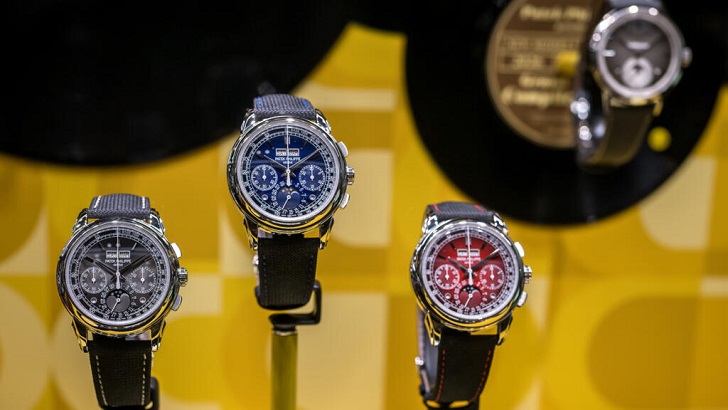
Major brands such as Rolex, Patek Philippe, and Cartier are among the 65 exhibitors presenting new collections at this year’s Geneva fair. The event follows two challenging years marked by weaker demand in China and the impact of US tariffs, which contributed to consecutive declines in Swiss watch exports in 2024 and 2025.
While early expectations for 2026 were cautiously optimistic, industry leaders now view the Middle East conflict as a potential turning point. With rapidly evolving developments, executives agree that the sector’s outlook will largely depend on how the situation unfolds in the coming months.
Disclaimer: This information has been collected through secondary research and TJM Media Pvt Ltd. is not responsible for any errors in the same.