




India’s apex gem and jewellery trade body, the Gem & Jewellery Export Promotion Council (GJEPC), is set to become a formal member of the Natural Diamond Council (NDC), reinforcing India’s expanding role in global natural diamond promotion.
The membership is expected to take effect by 1 May, subject to finalisation of the Council’s financial contribution framework. GJEPC represents approximately 7,000 exporters across India’s diamond, gemstone and jewellery sectors, making it one of the most influential trade bodies in the global pipeline.
Strengthening the Luanda Accord Commitment
GJEPC’s move follows its signing of the Luanda Accord in June last year, alongside leading diamond-producing nations including Angola, Botswana, South Africa, Namibia and the Democratic Republic of Congo. Under the Accord, signatories committed to contributing 1% of rough diamond revenues to support coordinated global marketing efforts for natural diamonds through the NDC.
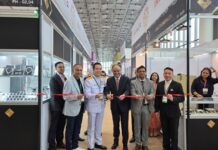
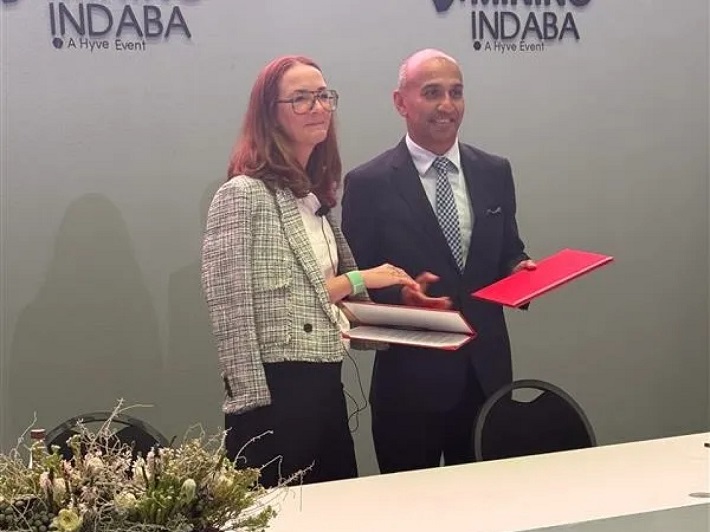
The latest development was formalised through a memorandum of understanding signed during the 2026 African Mining Indaba in Cape Town, South Africa — a key gathering for mining and resources stakeholders worldwide.
Unified Push for Consumer Confidence
Shaunak Parikh, Vice Chairman of GJEPC, emphasised that joining the NDC reflects India’s belief in collective responsibility across the value chain. According to Parikh, sustained collaboration, enhanced transparency and coordinated messaging are essential to strengthening long-term consumer confidence in natural diamonds.
Amber Pepper, Chief Executive Officer of the NDC, described GJEPC as a long-standing strategic partner, noting that full membership would deepen cooperation and expand outreach to younger consumers. The focus, she said, will be on communicating the rarity, authenticity and emotional value of natural diamonds in an increasingly competitive luxury market.
Broader Industry Alignment
At the same event, the Dubai Multi Commodities Centre (DMCC) signed a letter of intent indicating plans to join the NDC by 1 May, while Namibia formally acceded to the Luanda Accord — signalling broader alignment among producing and trading centres.
Strategic Implications
India plays a pivotal role in the global diamond ecosystem, cutting and polishing the majority of the world’s rough supply. Its formal integration into the NDC structure strengthens marketing collaboration between producing nations and manufacturing hubs at a time when natural diamonds face growing competition from lab-grown alternatives.
The development underscores a coordinated effort across the supply chain to protect and promote the long-term value proposition of natural diamonds in global markets.
Disclaimer: This information has been collected through secondary research and TJM Media Pvt Ltd. is not responsible for any errors in the same.












, is set to become a formal member of the Natural Diamond Council)