








The global diamond jewellery market could be entering a new phase of growth, with consumer demand gradually expanding beyond its traditional powerhouses. While the US remains the dominant market and India continues to strengthen its position, Indonesia, Vietnam and Brazil are emerging as promising long-term opportunities for the diamond industry.
Independent diamond analyst Paul Zimnisky identifies these three markets as potential growth engines over the next decade, supported by economic expansion, favourable demographics, urbanisation and an increasingly sophisticated appetite for luxury.
New Consumer Markets Have Changed the Diamond Industry Before
The diamond industry has repeatedly demonstrated how new consumer markets can reshape global demand.
Following the success of De Beers’ post-war diamond marketing campaign in the US, the company expanded its efforts into Japan in the late 1960s and China in the mid-1990s. Both markets had limited traditions of gifting diamond jewellery at the time.
Within roughly two decades, diamond engagement rings had become common in around half of marriages in both countries, illustrating how targeted marketing, rising incomes and changing cultural preferences can create entirely new categories of demand.
India is now experiencing a similar transformation. The country has become one of the industry’s most important growth markets, attracting international brands as well as aggressive investment from domestic jewellery companies.
De Beers, for example, is currently positioning its Forevermark diamond brand exclusively in India, while Titan’s Tanishq continues to develop campaigns aimed at expanding diamond consumption. Its recent Soulmate Diamond Pair collection, featuring two rings created from a single cleaved diamond, reflects the industry’s effort to connect diamonds with contemporary ideas of relationships and gifting.
The Global Demand Map Is Changing
Diamond jewellery consumption remains heavily concentrated in the US, which accounts for more than 60% of global demand. India follows with slightly above 10%, while China represents just under 10%.
The picture was considerably different 25 years ago. At that time, the US represented approximately 50% of demand, Europe around 17% and Japan about 16%.
The shift demonstrates the powerful relationship between economic growth and luxury consumption. Slower growth in Japan and Europe has reduced their relative importance, while rapid expansion in India and China has elevated their positions.
The next transformation could come from markets that currently have a much smaller share of global diamond consumption.
Indonesia: A Young and Increasingly Affluent Consumer Base
Indonesia stands out because of its combination of economic growth, urbanisation and demographics.
The country has a large and relatively young population, alongside a rapidly expanding middle and affluent class. As more consumers move into cities and disposable incomes rise, spending patterns are also changing.
Jewellery already has deep cultural significance in Indonesia, with gold traditionally dominating the market. However, younger consumers are increasingly attracted to international luxury brands and products that reflect a more modern and cosmopolitan lifestyle.
That creates an opportunity for diamonds to become increasingly relevant not only for engagements and weddings but also for personal luxury and everyday jewellery.
Vietnam: Fast Growth Meets Changing Tastes
Vietnam offers another compelling opportunity.
Although its economy is considerably smaller than Indonesia’s, Vietnam shares several characteristics that make it attractive to the diamond sector: a young population, rapid urbanisation and strong economic growth.
The economy is currently expanding at more than 8% annually, placing Vietnam among the world’s fastest-growing mid-sized economies.
Gold remains the traditional choice for jewellery, but younger Vietnamese consumers are becoming increasingly comfortable with international luxury products. Diamonds could benefit as wedding traditions evolve and consumers seek jewellery that communicates individual style and status.
For the diamond industry, Vietnam’s relatively small existing consumption base could actually be an advantage: even modest increases in penetration could translate into substantial percentage growth.
Brazil: A Large Consumer Market Waiting for Greater Wealth
Brazil represents the leading Western-market opportunity among the three.
The country was famously included in the BRIC concept developed by Goldman Sachs in 2001, alongside Russia, India and China, as economies expected to deliver significant long-term growth.
Brazil’s economic development has been less consistent than originally anticipated, with political instability and dependence on natural resources limiting productivity gains. Nevertheless, the country has made progress in important areas.
Brazil has developed a highly renewable electricity system and is one of the world’s major agricultural exporters. More importantly for luxury industries, it has a huge consumer base, including a middle class estimated at more than 125 million people.
As household wealth increases, jewellery could capture a growing share of consumer spending.
A Small Starting Point Means Significant Upside
The most important factor may be the current size of these markets.
According to Zimnisky’s analysis, Indonesia, Vietnam and Brazil together account for less than 5% of global diamond jewellery demand.
That means the opportunity is not based on replacing established markets. Instead, it comes from expanding diamond consumption from a relatively small base.
If even a fraction of consumers in these countries adopt diamond jewellery for engagements, weddings, gifting and self-purchase, the resulting incremental demand could become meaningful for the global industry.
Luxury Brands Are Already Building Their Presence
The world’s leading jewellery houses appear to recognise the potential.
Cartier entered São Paulo in 1977, Jakarta in 1994 and Ho Chi Minh City in 2010. Other major luxury names, including Tiffany & Co., Bulgari and Van Cleef & Arpels, have also established operations in these markets over the past two decades.
Their presence provides an important foundation for further expansion as local consumers become more familiar with premium jewellery brands and diamond products.
The Next Decade Could Bring a New Diamond Demand Map
The history of the diamond industry shows that demand can change dramatically when economic growth, demographics, cultural evolution and effective marketing converge.
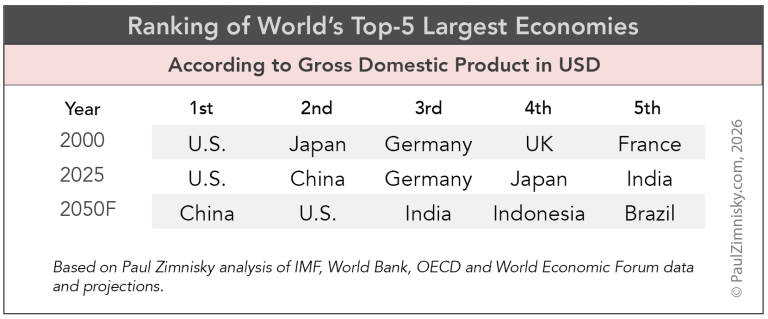
The US is likely to remain the industry’s largest consumer market, while India is positioned to remain a major source of incremental demand. But the next wave could increasingly come from markets that today appear relatively small.
Indonesia, Vietnam and Brazil offer three different but complementary growth stories: young consumers and urbanisation in Southeast Asia, exceptionally rapid economic expansion in Vietnam, and Brazil’s enormous consumer base and long-term wealth potential.
For diamond companies, retailers and luxury brands, the strategic opportunity is clear: build consumer awareness early, adapt diamond marketing to local culture, and establish brand relationships before these markets mature.
The experience of Japan, China and India suggests that today’s emerging diamond consumers could become tomorrow’s major sources of global jewellery demand.
Disclaimer: This information has been collected through secondary research and TJM Media Pvt Ltd. is not responsible for any errors in the same.